
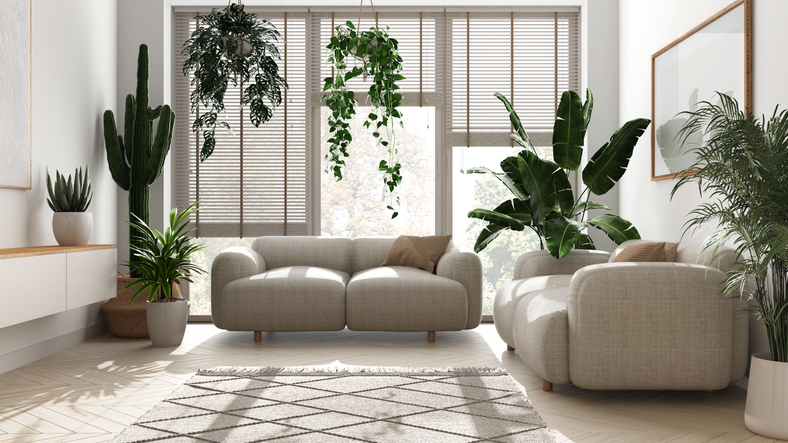
Organic Modern Living Rooms | How to Design One That Feels Both Current and Timeless
Organic modern living rooms combine the clean lines and restrained palette of modern design with the warmth, texture, and natural materials of organic style. The result is a space that feels both refined and liveable — structured but not cold, natural but not rustic. In a Florida home, where natural light and indoor-outdoor living are built into the architecture, organic modern is one of the most naturally fitting design directions available.
What is organic modern design in a living room?
Organic modern design is the meeting point between two design philosophies that used to be treated as opposites. Modern design contributes the structure: clean lines, considered proportion, a restrained approach to decoration, and a respect for negative space. Organic design contributes the warmth: natural materials, irregular forms, earthy tones, and a connection to the natural world that makes a room feel inhabited rather than staged.
In a living room, organic modern means furniture with softened edges rather than sharp geometry, upholstery in natural fabrics rather than synthetic microfibre, colours drawn from the earth rather than from a trend palette, and decorative objects chosen for their material quality rather than their novelty. It is the style that looks considered but not overthought — the kind of room that photographs well in natural light and feels even better when you are actually sitting in it.
Organic modern has become one of the dominant interior design directions of the mid-2020s precisely because it corrects the two most common failures of modern design. Pure modernism can feel cold and uninviting when applied without softening. Pure organic or rustic style can feel visually chaotic without a structural framework to organise it. Organic modern provides both warmth and order — the combination that makes a room feel genuinely like home rather than a concept.
What materials define an organic modern living room?
The material palette is where organic modern is made or broken. Every surface, every piece of upholstery, and every accent object should come from a short list of natural, honest materials — chosen for their texture and warmth rather than their ability to look new.
Upholstery anchors the room. Boucle — the looped, textured wool fabric that has become synonymous with organic modern — works on sofas, armchairs, and ottomans. Raw linen is the alternative: softer, more fluid, and with a natural irregularity in its weave that adds depth at close range. Both materials perform well in Florida living rooms, provided they are treated for UV exposure in rooms with significant direct sunlight. For families with children or pets, a performance-grade linen weave — which carries the texture without the fragility — is the practical choice Marilou recommends in most Central Florida projects.
Timber brings warmth and solidity. A solid oak or walnut coffee table with a round or oval top, a timber-framed shelving unit finished in an oil rather than a lacquer, and timber legs on upholstered pieces all contribute to the natural material story without overwhelming the room. Stone and large-format tile on the floor — a warm-toned limestone-look porcelain, a concrete-look tile in greige, or an actual travertine for projects where the budget allows — grounds the space and creates continuity with the outdoor terrace or lanai. Woven rattan, jute, and seagrass appear in baskets, pendants, side tables, and area rugs, adding the organic texture layer that differentiates this style from standard contemporary.
Selecting materials that work together — in terms of tone, texture, and practical performance in a Florida climate — is one of the most nuanced decisions in any interior design project. Marilou has been making these calls across Central Florida homes for 30 years. Visit our modern living room interior design page, or book a free consultation — call us on 407-808-4011.
What colours work in an organic modern living room?
The organic modern colour palette is warm, muted, and drawn from the natural world. Warm white — not a bright cool white, but a white with a subtle yellow or pink undertone — works as the dominant wall tone. Soft clay, dusty terracotta, warm sand, pale sage, and deep moss green sit in the supporting role, applied to feature walls, in upholstery, through rugs, and in decorative objects. The depth in an organic modern room comes from layering several tones within the same warm family rather than introducing contrast through cool or bright colours.
The palette discipline is three to four tones, consistently applied. One dominant neutral — the wall colour and the largest upholstered piece — one or two supporting tones in medium-weight applications, and one accent that introduces either a deeper earthy tone or a natural green reference. Aged brass and warm bronze are the metals of choice: they sit within the warm palette rather than interrupting it the way chrome or cool silver does.
The most common colour mistake in organic modern rooms is introducing too many competing earth tones without a clear hierarchy. Terracotta cushions, a sage rug, an ochre throw, a rust-toned vase, and a warm brown bookshelf can all be individually correct and collectively chaotic. Marilou’s approach in every living room project is to pick the dominant neutral first, select one warm accent colour, and treat everything else as a neutral variation — allowing the textures and materials to carry the visual interest rather than the colour combinations.
How do you layer furniture and texture in an organic modern living room?
The furniture layout in an organic modern living room follows the same principles as any well-designed living space: a clear conversational grouping, a defined focal point, and traffic flow that does not require people to walk around furniture to get through the room. What organic modern adds to this structure is a specific approach to form and layering.
Start with the sofa — the largest piece and the one that sets the tone for everything else. A low-profile curved sofa in boucle or linen, with a frame in solid timber or matte powder-coated steel, is the organic modern foundation. Pair it with one or two armchairs that carry a different but complementary texture — linen against boucle, or a timber-framed rattan chair alongside an upholstered sofa. The coffee table should be round or oval, in solid timber or a stone-topped frame, sitting on a woven area rug in jute, wool, or a natural fibre blend.
Texture is applied in layers. The first layer is the large upholstered pieces and the floor covering. The second layer is cushions, throws, and side tables. The third layer is the objects on the shelves, the plants, and the lighting fixtures. Each layer should introduce a new material or textural note without repeating the same combination. A room where the sofa, the cushions, and the rug are all the same boucle-weight texture feels flat — even if the individual pieces are beautiful. Variety within the warm material palette is what creates the visual depth that makes an organic modern room feel genuinely designed rather than simply furnished.
Why does organic modern design work so well in Florida homes?
Florida homes are built for a way of living that organic modern design reflects instinctively. The open floor plans common across Orlando, Winter Park, Windermere, and Dr. Phillips homes already provide the structural framework. The abundant natural light reinforces the warm earthy palette — earth tones look entirely different in the flat light of a northern climate than they do under the intense, shifting natural light of a Central Florida afternoon. In Florida, they come alive.
The indoor-outdoor connection that defines Florida living — sliding glass doors that open onto a lanai, a pool deck that extends the living room footprint, a screened porch that blurs the line between inside and outside — is exactly what organic modern design is designed to celebrate. Consistent flooring from the interior to the outdoor tile, natural material furniture that can transition between inside and outside, and a palette that references the landscape rather than contrasting with it all reinforce the connection that makes a Florida home feel cohesive.
Natural materials also perform better in Florida’s climate than their synthetic alternatives. Solid timber is more stable in a conditioned Florida interior than composite or MDF furniture, which can swell and shrink with humidity fluctuations. Natural stone and porcelain tile remain cool underfoot in the summer heat. Woven natural fibres breathe in a way that synthetic upholstery does not. The organic modern material palette is not just aesthetically suited to Florida — it is practically suited to it. That alignment between beauty and function is exactly what Marilou has always argued makes great design, and it is why organic modern has taken hold so strongly in Central Florida’s new-build and renovation market.
Related reading: Transitional interior design in Florida | Biophilic design for Florida homes
Frequently Asked Questions About Organic Modern Living Rooms
What is organic modern style in a living room?
Organic modern style in a living room is a design approach that blends clean, contemporary structure with natural materials, soft forms, and earthy tones. It moves away from the hard geometry and cool palette of strict modernism toward something warmer and more tactile — without losing the sense of order and intention that defines modern design.
What materials are used in organic modern living rooms?
Organic modern living rooms are built on natural, honest materials: raw linen and boucle for upholstery, solid timber for furniture frames and shelving, natural stone or large-format tile for floors, woven rattan or jute for accent pieces, and raw plaster or limewash for walls. These materials carry visible texture that prevents the space from feeling sterile while maintaining the clean lines of modern design.
What colours suit an organic modern living room?
Organic modern living rooms work best with warm, muted, earth-derived tones: warm white, soft clay, dusty terracotta, pale sage, warm sand, and deep moss green. These are used in a palette of three to four tones — dominant, supporting, and accent. Avoid cool greys and bright whites, which pull the space toward stark modernism rather than the warmer, more grounded organic modern direction.
How do you furnish an organic modern living room?
Organic modern living room furniture has curved or softened edges, natural finishes, and low-to-mid profiles. A curved boucle sofa, a round solid timber coffee table, linen armchairs, and a woven area rug are the foundation. Avoid sharp-edged, high-gloss, or metal-dominant pieces — organic modern is grounded in warmth, not precision. Every piece should feel like it belongs in both a design magazine and a real family home.
Is organic modern a good design style for a Florida living room?
Yes — organic modern is one of the strongest design directions for Florida living rooms. The abundant natural light, indoor-outdoor connection, and open floor plans common across Central Florida all reinforce organic modern principles. Natural materials perform well in Florida’s climate, warm earth tones complement the surrounding landscape, and the style’s relaxed structure suits the way Floridians actually live in their homes.
Ready to design an organic modern living room in your Florida home? At Stones Design LLC, Marilou creates warm, considered interiors across Central Florida — from full living room redesigns to material and furniture curation. Visit our modern living room interior design page, or book a free consultation — call us on 407-808-4011 and let’s build a space that feels both beautiful and genuinely liveable.