
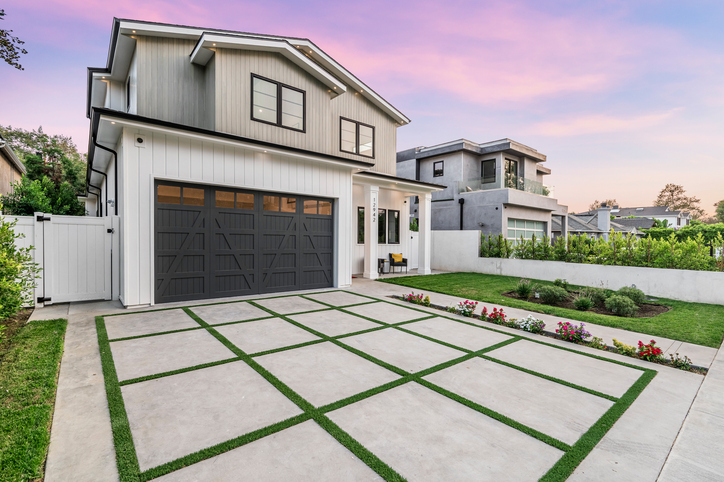
Modern House Minimalist Design | How to Get It Right in a Florida Home
Modern house minimalist design is an approach to interior design that prioritises function, clean lines, and a deliberately curated selection of materials and furnishings. In a Florida home, minimalism works particularly well — the abundant natural light, open floor plans, and indoor-outdoor connection all reinforce the core principles of the style. Less clutter, more intention, and every element earning its place.
What is modern minimalist design in a home?
Modern minimalist design is the practice of reducing a home’s interior to its most essential, functional, and beautiful elements. Every material, every piece of furniture, and every decorative choice is deliberate. Nothing is included out of habit, convenience, or the sense that a room needs to be filled.
The style is grounded in the principle that space itself is a design element. A well-proportioned empty wall, a stretch of uninterrupted floor, and a room that breathes are as important as the objects within it. Minimalism is not austerity — it is clarity. The rooms that do it best feel calm, considered, and deeply personal, because every element that remains has been chosen with care.
Modern minimalism draws from mid-century modernism and Japanese wabi-sabi aesthetics — both of which emphasise honest materials, functional form, and the elimination of decoration that serves no purpose. In practical terms, this means clean-lined furniture, a restrained colour palette, integrated storage that removes visual clutter, and surfaces that express the quality of the material itself — stone, timber, linen, concrete, or glass — rather than pattern or embellishment.
How do you apply minimalist design to a Florida house?
Florida homes are naturally well-suited to minimalist design. The open floor plans common in Orlando, Winter Park, and Windermere developments already provide the spatial foundation. The challenge is applying the discipline of minimalism to rooms that can easily accumulate furniture, art, and decorative objects over time.
Start with the architecture. Clean-lined cabinetry in the kitchen, integrated storage in living areas, and built-in wardrobes in bedrooms all remove the visual noise that freestanding furniture creates. In a Florida home, this also means addressing the transition between indoor and outdoor spaces — consistent flooring that runs from interior to exterior lanai, and sliding or folding doors that disappear into the wall when open, are both expressions of minimalist thinking applied to the Florida lifestyle.
Natural light is the most important material in a Florida minimalist home. Sheer window treatments — or none at all in rooms that allow it — let the light define the space across the day. UV-filtering glass handles the practical demands of the Florida sun without requiring heavy treatments that would interrupt the clean lines. The goal is a home where the light and the space do the work, and the objects within it are simply there to serve the people who live in it.
Applying minimalist principles to an existing Florida home takes more than decluttering — it requires considered decisions about layout, storage, materials, and light. Marilou has been working on exactly this kind of transformation across Central Florida for 30 years. Visit our modern minimalist house interior page, or book a free consultation — call us on 407-808-4011.
What colours work best in a modern minimalist house?
A modern minimalist colour palette is built on restraint. Three colours or fewer, with one dominant neutral, one supporting tone, and one considered accent. The goal is a palette that feels cohesive across the whole home, not a different colour story in every room.
Warm whites and soft greiges work well as the dominant tone in Florida minimalist interiors — they reflect natural light without the sterility of a cool bright white, and they hold warmth in the evening when artificial lighting takes over. Muted taupes, pale sage, and dusty linen tones sit in the supporting role. For the accent, aged brass hardware, a single wall in warm charcoal, or a natural stone surface with visible veining all add depth without introducing a competing visual story.
The most common colour mistake in minimalist homes is choosing white because it feels safe, then softening every room with too many layered neutrals that all read differently. The result is a space that feels unresolved rather than calm. Marilou’s approach is to commit to a warm base tone, select materials that carry that warmth consistently — from floor tiles to cabinetry — and use restraint with the accent so it lands with the visual weight it deserves.
What furniture and materials define modern minimalist interiors?
Modern minimalist furniture has low profiles, clean geometry, and surfaces that express the quality of the material itself. Solid timber dining tables with straight-cut edges, low-profile sofas in natural linen or boucle, and dining chairs with slender legs and upholstered seats are the workhorses of the style. The pieces that make a minimalist room feel considered — rather than simply empty — are the ones with genuine material quality and honest construction.
Natural materials are essential. Timber, stone, linen, leather, concrete, and woven grass all carry texture that prevents a minimalist space from feeling cold. In a Florida home, these materials also perform well against heat, humidity, and UV exposure. Quartz and porcelain countertops in large-format slabs, timber-look or stone-look tile flooring with wide joints, and linen or cotton upholstery in natural tones are practical choices that also serve the aesthetic.
Storage is a defining feature of a well-executed minimalist home. Built-in cabinetry that runs floor-to-ceiling, handles recessed or integrated into the door profile, and finished to match the wall creates the seamless surfaces that minimalist design depends on. When storage is visible, it becomes a design decision — open shelving in timber or stone-look finish, edited to three or four considered objects per shelf. The rule is: if it does not belong on display, it belongs behind a door.
What are the most common minimalist design mistakes — and how do you avoid them?
The most common mistake is confusing minimalism with emptiness. A minimalist home is not a home with nothing in it — it is a home where every object has been chosen and placed with purpose. Rooms that feel uncomfortable and unwelcoming are usually minimalism applied without warmth: no texture, no natural material, and no human reference point.
The second mistake is inconsistency. Minimalism works when the whole home speaks the same language. A meticulously edited living room connected to a kitchen packed with mismatched appliances, cluttered countertops, and patterned tiles creates a jarring break that undermines both spaces. Minimalism is a whole-home commitment, applied most practically by working through one room fully before moving to the next, rather than making partial changes everywhere at once.
The third — and most fixable — mistake is poor lighting. Minimalist rooms depend on light to create atmosphere. A single ceiling fitting in the centre of the room produces flat, shadowless light that removes the depth a minimalist space needs. Layered lighting — a primary source, wall or floor lamps for ambient warmth, and directional accent lights for specific surfaces — transforms a minimal room from stark to serene. Warm-toned bulbs (2700–3000K) are non-negotiable. They are the difference between a room that feels like a showroom and one that feels like a home.
Related reading: Florida minimalist interior design | Modern minimalist living space design
Frequently Asked Questions About Modern House Minimalist Design
What is modern minimalist house design?
Modern minimalist house design is an interior design approach that eliminates excess and focuses on function, clean geometry, and a carefully chosen material palette. It is not about empty rooms — it is about selecting each element with purpose. Every piece of furniture, every finish, and every fixture should justify its presence in the space.
Is minimalist design a good choice for Florida homes?
Yes — minimalist design suits Florida homes exceptionally well. The natural light, open floor plans, and indoor-outdoor connection common across Central Florida reinforce minimalist principles. Fewer furnishings allow light to move freely. Neutral palettes reflect the brightness outside. Clean lines complement the contemporary architecture found throughout Orlando, Winter Park, and the surrounding communities.
What colours should I use in a modern minimalist home?
Modern minimalist homes work best with a restrained palette of three colours or fewer. Warm whites, soft greiges, muted taupes, and light natural tones are the most effective foundation. In Florida, cooler whites and pale blues add freshness that aligns with the coastal aesthetic. Add depth with one accent in charcoal, warm black, or aged brass — not multiple competing tones.
What furniture works in a modern minimalist house?
Modern minimalist furniture has clean profiles, minimal ornamentation, and natural or matte finishes. Low-profile sofas, streamlined dining tables with solid wood or stone tops, and storage that disappears into the wall are the foundation. Every piece should serve a function. Decorative items that exist purely for display are kept to a considered few — not eliminated, but curated.
How do I make a minimalist home feel warm and not cold?
Warmth in a minimalist home comes from texture and material choice, not from adding more objects. Linen cushions, a woven rug, timber shelving, and natural stone surfaces all introduce warmth without visual noise. Warm-toned lighting — bulbs around 2700K — makes a significant difference. The goal is restraint, not austerity. A minimalist home should feel calm and considered, not sparse and unwelcoming.
Ready to bring a modern minimalist design to your Florida home? At Stones Design LLC, Marilou creates clean, considered interiors across Central Florida — from full home redesigns to single-room transformations. Visit our modern minimalist house interior page, or book a free consultation — call us on 407-808-4011 and let’s build a space that feels exactly as intentional as it looks.